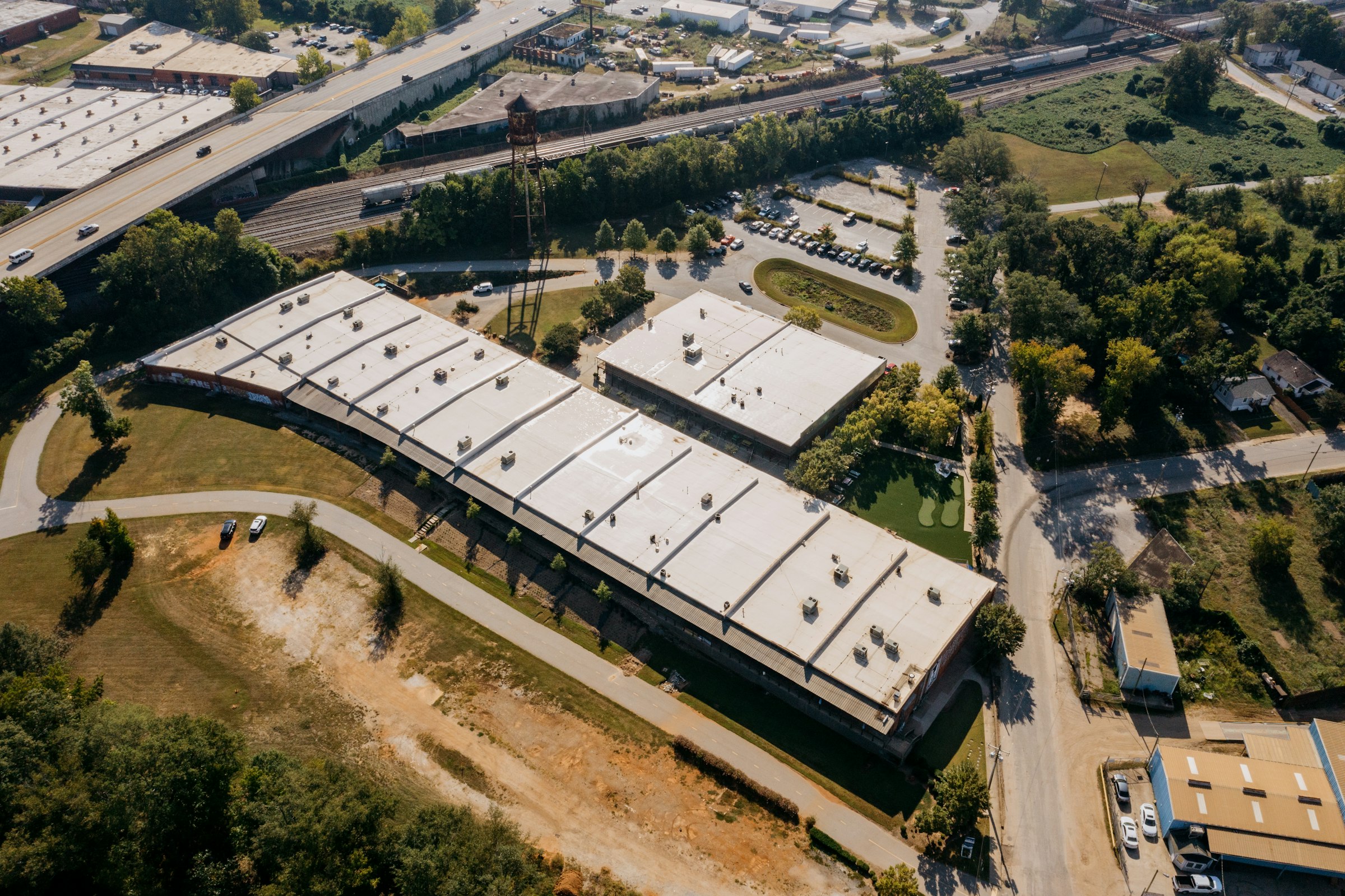
Efficient buildings
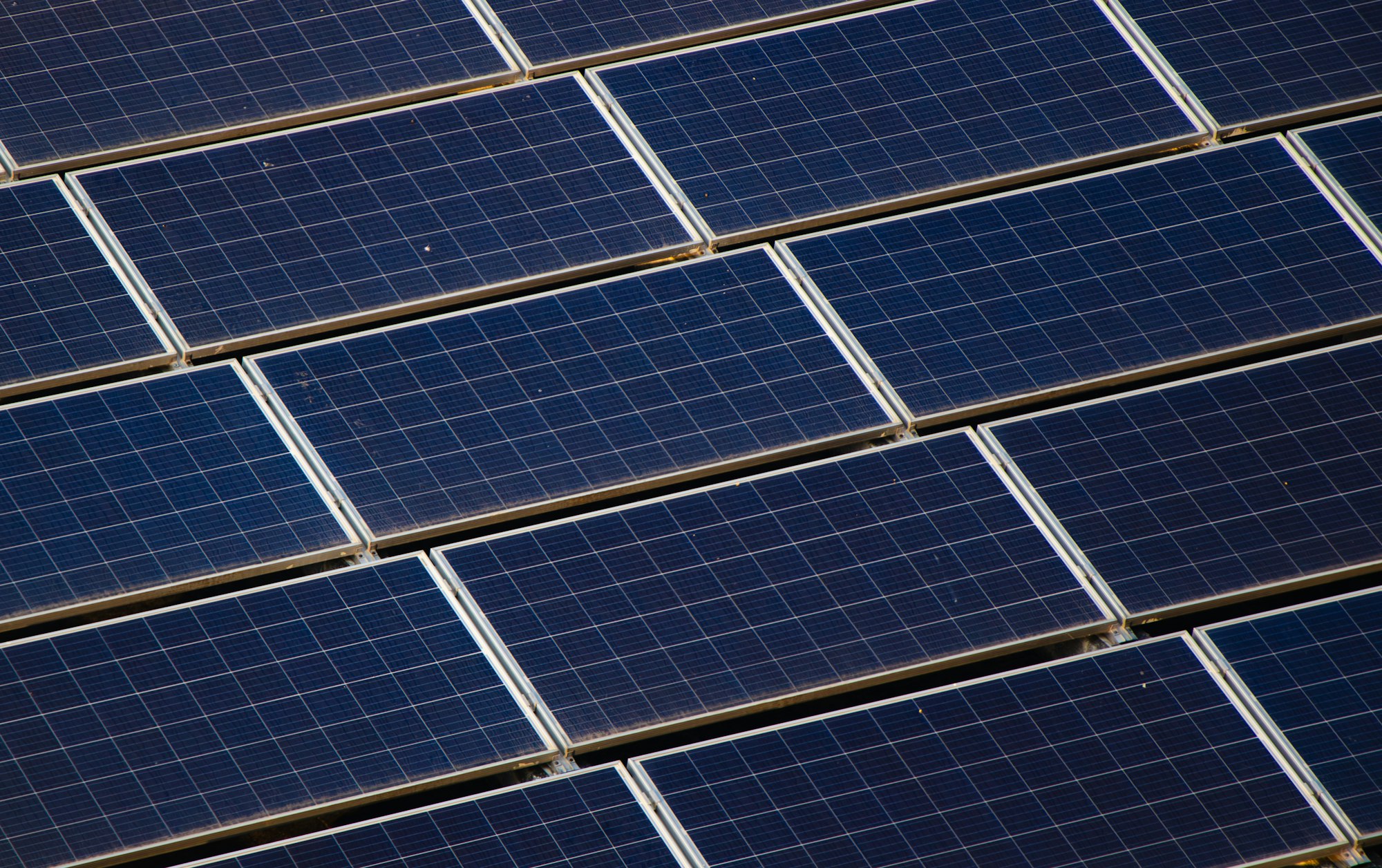

We plan for low operating cost over a long hold, measured against the way the people in the building use it.
Priorities
- Energy-efficient envelopes: insulation, air sealing, glazing, and roofing matched to the climate and the use
- Efficient systems: heating, cooling, lighting, and controls sized to how the building is used, not to a rule of thumb
- Electrification readiness: electrical capacity and space planned so equipment can be converted later without rework
- Incentives: utility, state, and local programs identified early and applied for
- Measured in use: performance judged on the tenant's energy use and cost, not on a label
What we check on every building
These are checks we run, not scores. For how we report performance to tenants and partners, see Reporting and disclosures.
Envelope
Tight
Tight
insulation, air sealing, glazing, and roofing matched to the climate and the use
Systems
Sized
Sized
heating, cooling, lighting, and controls sized to how the building is used, not to a rule of thumb
Electrification
Ready
Ready
electrical capacity and space planned so equipment can be converted later without rework
Incentives
Planned
Planned
utility, state, and local programs identified early and applied for
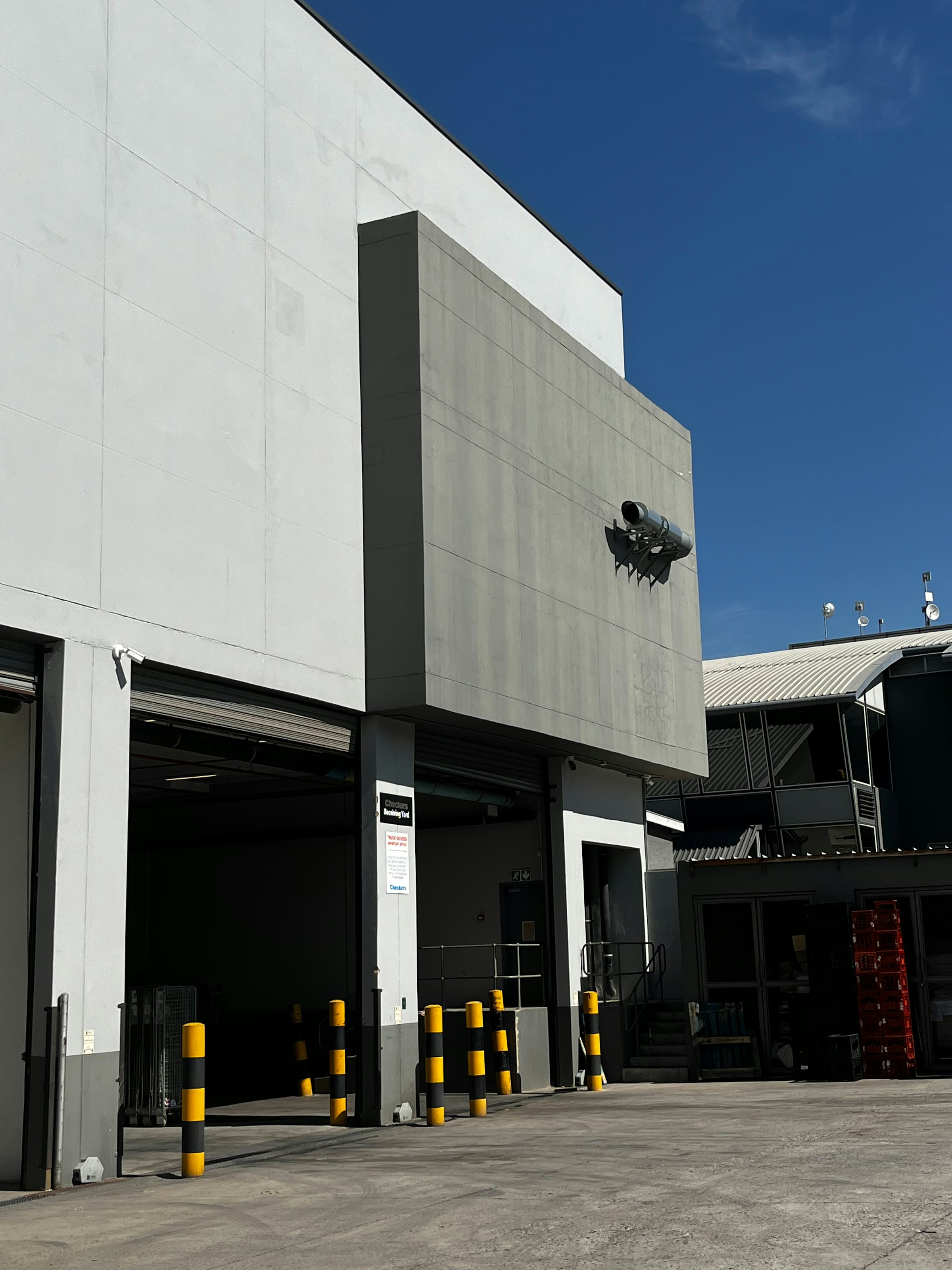

Incentives and programs
Incentive programs change often and differ by utility, county, and state. We identify the ones that apply to a project early, coordinate the applications, and plan the project around the results. We do not promise approvals, and we say so up front.
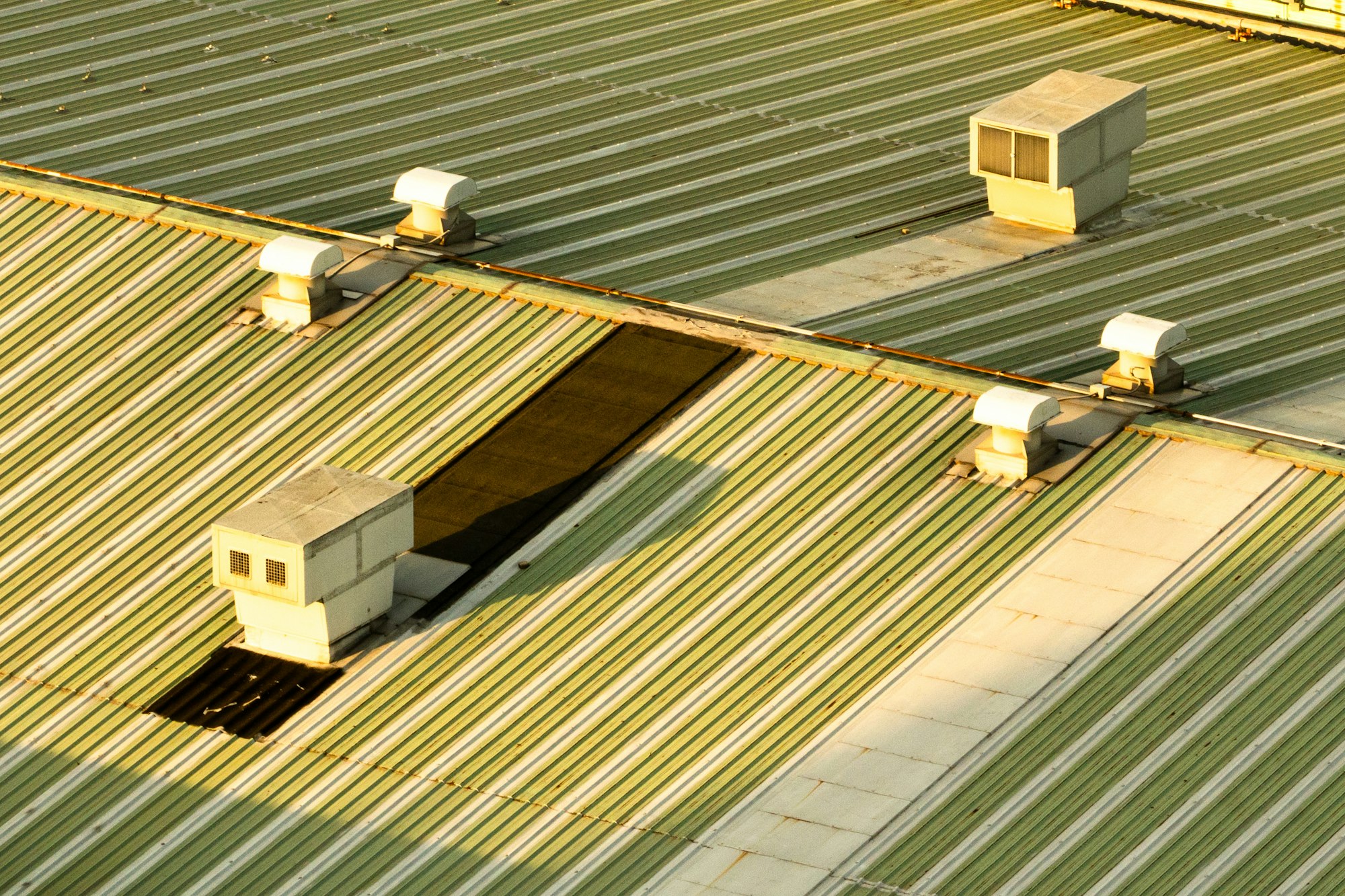
Utility programs
Rebates and technical help from electric and gas utilities for efficient equipment and envelope measures.

State programs
State programs that support efficient construction, electrification, and clean energy, matched to the building type.
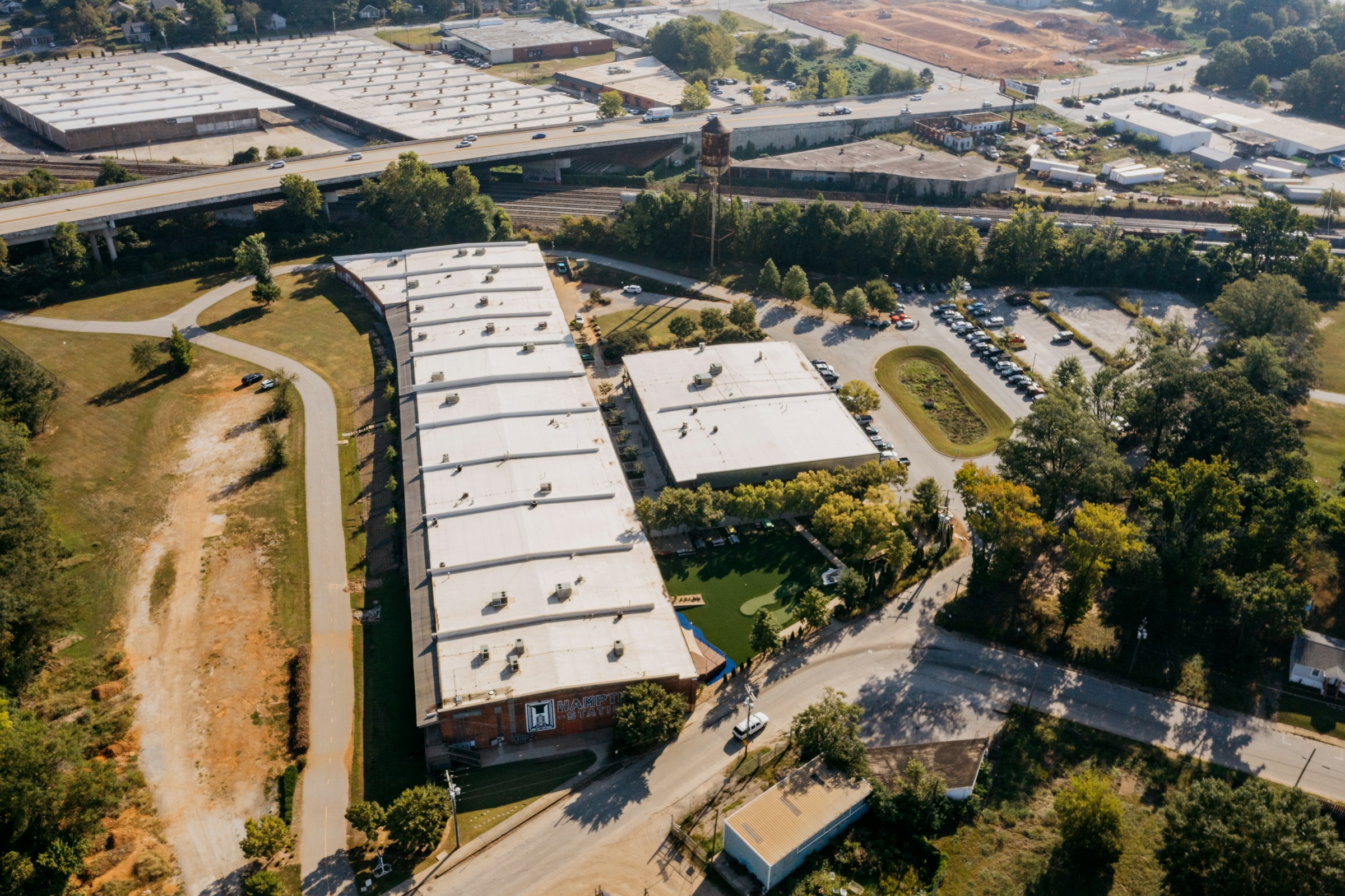
IDA agreements and PILOTs
Local industrial development agency agreements and payment-in-lieu-of-taxes arrangements, where a project qualifies.
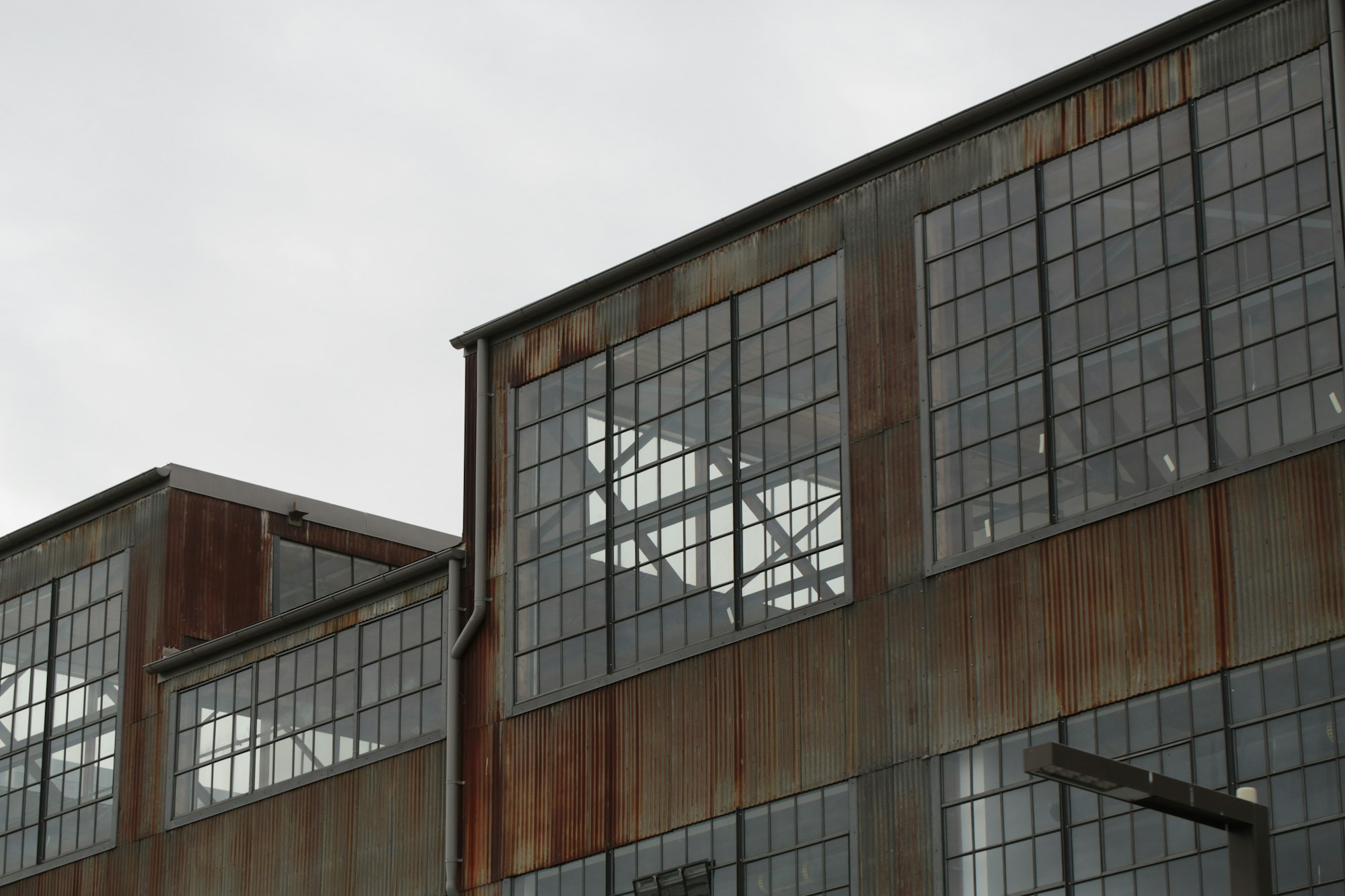
Brownfield programs
Programs that support cleaning up and reusing sites with an environmental history.